

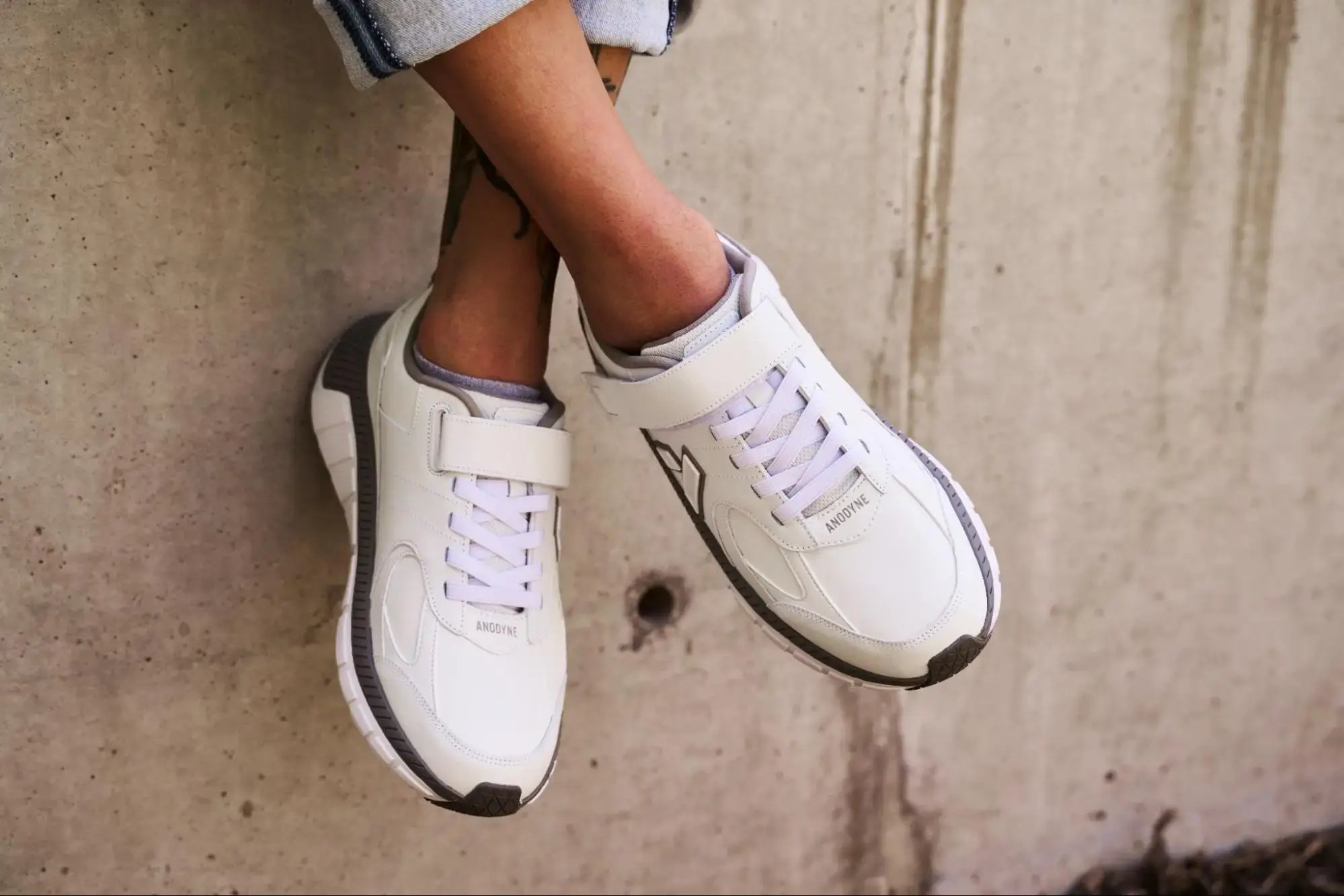
Diabetic neuropathy is a common condition that causes nerve damage in the feet and lower legs, leading to neuropathy symptoms such as numbness, tingling, and pain. When you lose sensation in your feet, you lose your body's natural warning system. A small pebble or a tight seam can cause blisters or pressure sores without you even feeling it.
Proper footwear is essential for managing neuropathy symptoms and preventing further nerve damage. The right shoes for neuropathy can make a huge difference in reducing pressure points and alleviating neuropathy pain. Neuropathy shoes are specifically designed to provide comfort, support, and protection for sensitive feet.
This guide covers everything you need to know to find the best shoes for neuropathy, for both women and men, ensuring you stay active, comfortable, and safe.
Features of the Best Shoes for Neuropathy
Not all shoes are created equal. To find the best shoes for neuropathy, look for these non-negotiable features:
- Roomy Toe Box: A wide toe box with a high, wide, and round shape gives toes space to wiggle and spread naturally, which helps cut down on friction and pressure points between toes.
- Protective Interior: Soft interiors with seamless microfiber linings help reduce rubbing, while built-in padding adds an extra layer of protection to help guard sensitive feet from irritation and minor bumps that can lead to discomfort or injury.
- Breathable Mesh Upper: A breathable mesh helps air circulate so feet stay cooler and more comfortable throughout the day, and it often has a bit of natural stretch, making the fit more forgiving across the forefoot instead of feeling rigid or restrictive.
- Cushioned Soles: Look for a supportive sole that uses multiple layers of cushioning to absorb shock from heel to toe and spread out impact, especially when you’re walking on hard surfaces.
- Adjustable Closures: Velcro or adjustable straps allow you to customize the fit, which is vital if your feet swell throughout the day.
- Premium Orthotic Insoles: Orthotic support and anatomical arch support correct alignment and reduce stress on the plantar fascia.
Top Recommended Models from Anodyne
Here are the specific models we recommend based on doctor feedback and patient testing.
Anodyne No. 17 / No. 16 Sport Sprinter - Best Overall
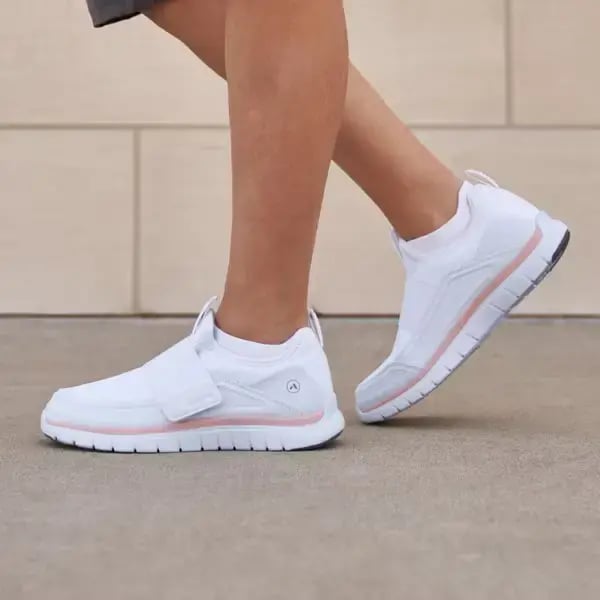
No. 17 Sport Sprinter (Women) | No. 16 Sport Sprinter (Men)
- Engineered for maximum protection
- Seamless microfiber lining prevents 99% of friction-related injuries
- Rigid heel counter stabilizes ankles (critical for balance issues)
- Triple-density midsole absorbs shock across heel/forefoot
- APMA-approved depth fits A5500 Medicare codes
- Ideal for daily wear, work, light exercise
- Weight: 12 oz. Colors: 6 options.
Anodyne No. 31 Sport Walker - Women's Walking Specialist
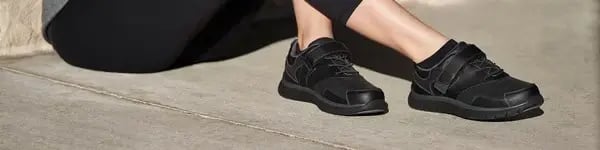
- Extra 1/2" depth handles midday swelling
- Antimicrobial lining reduces bacteria 99.9%
- Padded collar/tongue cushions ankle/instep pressure points
- Lightweight rubber outsole (11 oz) fights fatigue
- Rocker profile eases forward motion
- Perfect for nurses, teachers, retail
Anodyne No. 50 / No. 11 Sport Trainer - Performance Protection
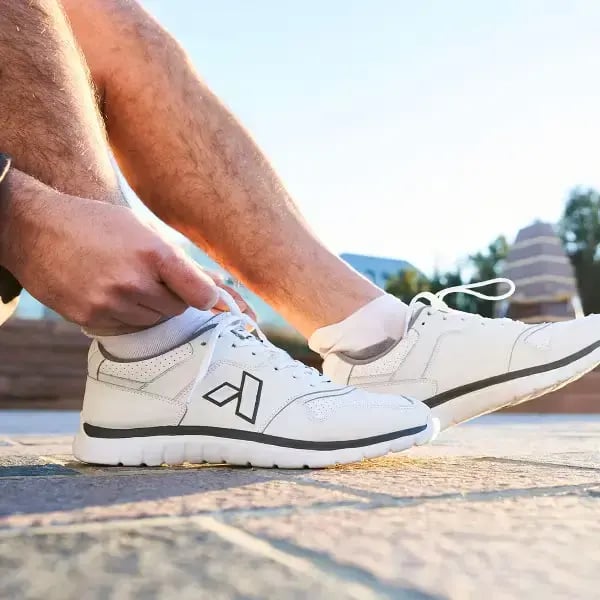
No. 11 Sport Trainer (Women) | No. 50 Sport Trainer (Men)
- Strong fiberglass shank provides rigid arch support
- Metal-free toe box eliminates pressure sores
- Removable 1/4" Poron insoles swap for custom orthotics
- Seamless stretch upper conforms without rubbing
- For gym training, recreational sports
- Durable 500-mile outsole.
Anodyne No. 23 Sport Runner (Women) - Women's Active Recovery
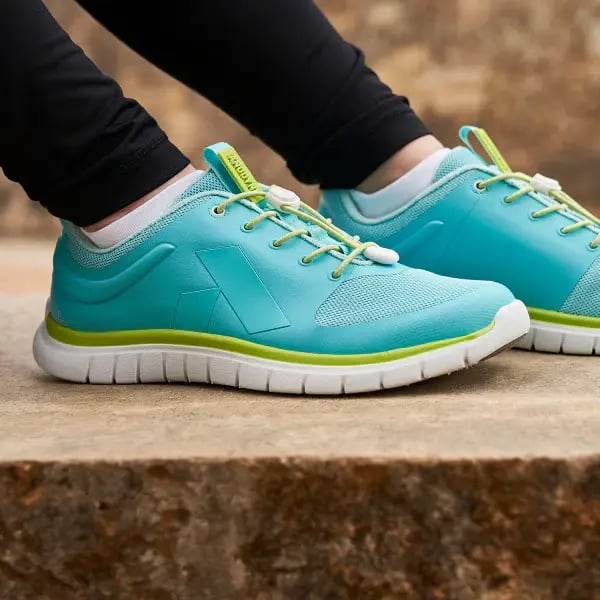
- Rocker-bottom sole propels foot forward (20% less plantar pressure)
- Breathable engineered mesh vents moisture
- Lightweight (10 oz) EVA midsole compresses 30% less than competitors
- Protective toe cap guards against stubbing
- Trail walking, gym classes, daily mileage.
Anodyne No. 52 Casual Dress (Men) - Executive Protection
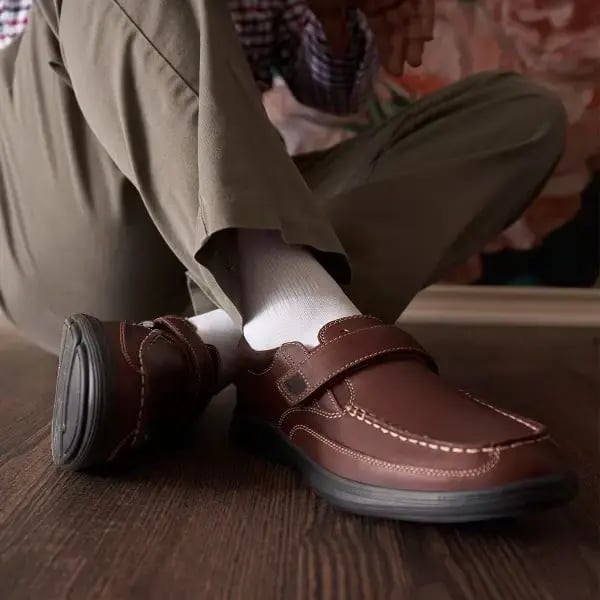
- Full-grain leather exterior passes dress code scrutiny
- Dual Velcro straps adjust for 1" swelling variance
- 1/2" deeper heel cup cradles calcaneus
- Seamless leather lining + padded tongue.
- Best for boardrooms, client meetings, professional appearance, medical function
- Slip-resistant sole
Hands-Free and Slip-Resistant Options for Neuropathy
Bending down to tie laces can be difficult if you have stiffness or dizziness. Hands-free and slip-resistant shoes for neuropathy can provide convenience and safety.
Features such as elastic laces, adjustable straps, and slip-resistant outsoles can help reduce the risk of falls. Hands-free shoes can provide independence and confidence for neuropathy patients. Slip-resistant options can help improve mobility and reduce the risk of foot problems.
The best neuropathy shoes for men often include Velcro options (like our No. 16) that allow you to secure feet securely without fiddling with laces.
Managing Foot Health with the Right Shoes
The right shoes can make a huge difference in managing neuropathy symptoms and improving foot health. Whether you need shoes for neuropathy for walking, working, or relaxing, prioritizing fit and function is key.
Anodyne offers specialized therapeutic footwear for a range of foot conditions beyond neuropathy. If you struggle with diabetes, you need protective footwear designed to prevent complications. For bunions, wide toe boxes eliminate pressure on sensitive joints. Those dealing with swollen feet benefit from extra depth designs that accommodate edema throughout the day. Hammertoe requires roomy construction that prevents toe compression, while heel pain responds well to deep heel cups and targeted cushioning. If you have plantar fasciitis, arch support and shock absorption reduce strain on the plantar fascia. Flat feet need structural support to maintain proper alignment, and heel spurs require cushioned heels that minimize pressure on bone growths. For complex conditions like Charcot foot, reinforced construction protects weakened foot structures.
Explore the full collection at Anodyne and find therapeutic footwear specifically designed to protect your feet and support your active lifestyle.
Frequently Asked Questions
What shoes do podiatrists recommend for neuropathy?
Podiatrists typically recommend shoes for neuropathy that combine high-impact cushioning, a wide or roomy toe box, and seamless interiors. These features help manage symptoms by reducing friction, easing pressure points, and protecting areas affected by poor circulation and peripheral nerve damage.
They often steer patients toward orthopedic or specialized diabetic shoes with deep cushioning, enhanced stability, and adjustable closures so you can customize the fit as your feet swell during the day. Wearing ill fitting or narrow shoes compresses the forefoot, intensifies neuropathy symptoms, and can lead to further complications like ulcers or infections.
Do indoor slippers matter if I have neuropathy?
Yes. If you have neuropathy, what you wear inside your home matters just as much as your outdoor shoes. Supportive indoor slippers with soft, cushioned insoles and non-slip soles help prevent pain and reduce the risk of falls on hard surfaces.
Look for designs with memory foam or similarly soft padding underfoot, along with adjustable closures or hands-free fits if you struggle with swelling or dexterity. Avoid flat, unsupportive house shoes, as they offer little shock absorption and may increase neuropathy pain or lead to foot issues over time.
Are athletic walking shoes really the best all-around choice?
For most people with neuropathy, supportive athletic walking shoes are the best all-around daily option. They usually combine cushioned soles, shock absorbing midsoles, and structured uppers to provide both comfort and enhanced stability.
Compared with many shoes on the market, a good walking shoe offers better neuropathy pain relief because it is specifically designed for continuous motion. When paired with premium orthotic insoles or custom orthotics, these best shoes help manage symptoms, support foot health, and reduce the risk of falls or further complications.
For specific needs, there are also neuropathy shoes for women and men, designed to provide optimal comfort, support, and protection for daily wear.
Why are specialized diabetic or orthopedic shoes recommended for neuropathy?
Specialized diabetic or orthopedic footwear is recommended because it addresses multiple risk factors at once. These shoes for neuropathy typically include a wide toe box, deep cushioning, orthotic insoles, and seamless interiors to protect against friction and pressure.
The extra depth allows room for orthotic inserts and swelling, while adjustable straps or closures let you fine-tune the fit. For people with poor circulation, peripheral neuropathy, or severe symptoms, these structural details help keep feet securely positioned in the shoe, reduce pressure sores, and protect you from foot injuries that heal slowly.
Can I wear dress shoes or high heels if I have neuropathy?
Traditional dress shoes and high heels are usually not the right footwear for neuropathy. Narrow lasts, stiff uppers, and elevated heels focus pressure on the forefoot and toes, which can intensify neuropathy symptoms and aggravate sensitive areas.
Instead, look for specialized dress shoes designed for neuropathy. These options preserve a polished look but incorporate deeper toe boxes, softer linings, and more stable soles. Women’s shoes in this category still look refined, but they help you manage symptoms and lower the risk of foot problems instead of making them worse.
How common is neuropathy, and can shoes really help?
Neuropathy is very common. In the United States alone, more than 20 million people live with some form of neuropathy caused by damage to peripheral nerves. When those nerves are impaired, you may experience burning, tingling, stabbing pain, numbness, or loss of balance.
Wearing the right shoes will not cure neuropathy, but it can significantly reduce symptoms and protect your feet from foot issues that you might not feel right away. Soft, cushioned insoles and cushioned soles provide relief for sharp or stabbing pain, while wide toe boxes and seamless interiors reduce friction that leads to blisters and ulcers.
How do cushioned insoles help with neuropathy pain?
Soft and cushioned insoles provide a gentle barrier between your foot and the ground. They absorb shock, spread out pressure, and limit direct impact on painful or numb areas. This helps ease sharp or stabbing pain, especially in the heels and forefoot.
For neuropathy, look for insoles that combine cushioning with mild orthotic support instead of relying on softness alone. This balance helps improve alignment, reduces strain on foot issues like flat feet, and supports long-term foot health while still delivering immediate comfort.
.png?width=116&name=Anodyne_circle_1_logo%20(2).png)