

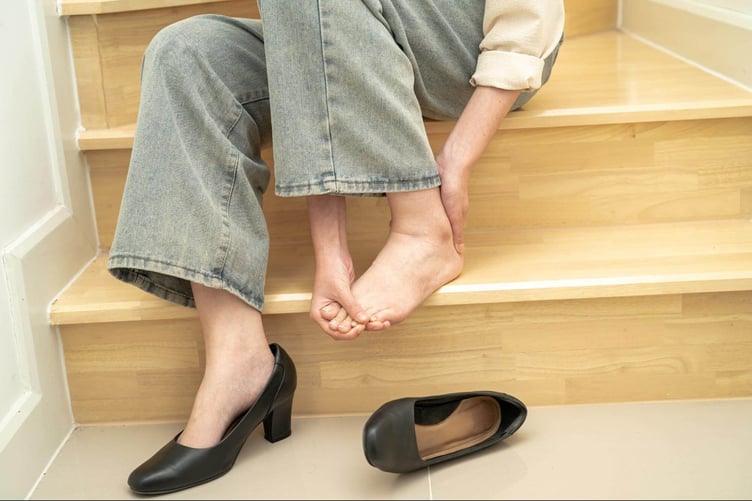
Finding the best shoes for Morton's neuroma comes down to one goal: reduce pressure on the forefoot so irritated nerves calm down instead of flaring up. Morton's neuroma commonly causes burning pain, tingling, and numbness near the ball of the foot, often radiating toward the third and fourth toes, so footwear choices can either ease symptoms or worsen them.
If you want the best shoes for Morton's neuroma, prioritize wide toe box shoes with extra depth, removable insoles, and stable support, so your toes can spread naturally and you can add orthotics or a metatarsal pad as needed. Our top picks are the No. 77 Women's Sport Double Depth, No. 56 Men's Trail Boot, No. 27 Women’s Casual Sneaker, and No. 38 Men’s Sport Walker. Each is built with a wide toe box, removable insole, and stability-focused components designed for walking/working comfort.
Why Shoes Matter For Morton Neuroma
Morton's neuroma is a painful condition that typically affects the nerve area in the forefoot, often felt between the third and fourth toes, and it can create burning pain, tingling, numbness, and the sensation of standing on something in the ball of the foot.
Footwear can increase pressure on that irritated nerve, especially tight shoes with narrow toe boxes or high heels. The wrong pair can worsen pain and make Morton's neuroma pain show up faster when you walk or stand.
People searching for comfortable shoes for Morton's neuroma usually do best when they stop chasing “prettier toe boxes” and start choosing toe boxes that respect how the toes and metatarsal bones are shaped.
It also explains why Morton's neuroma shoes aren’t about a single magic feature. They’re about removing the common triggers: tight compression at the forefoot, unstable support, and thin cushioning on hard surfaces.
Even if symptoms are mostly in your left foot, your right footwear still needs the same fundamentals: enough room up front, stable support under the midfoot, and cushioning that doesn’t collapse after extended periods of wear.
Key Features To Look For In Shoes
Use this checklist to choose shoes that protect sensitive areas instead of aggravating them (these are the key features that matter most).
- Toe room (the most important feature): Look for a roomy toe box and a wide enough one so the toes aren’t forced together; narrow toe boxes and narrow, pointed toe boxes can create pressure, discomfort, and neuroma pain at the forefoot and ball.
- Wide widths: Most mainstream shoe brands offer standard widths only, which leaves many people in shoes that are simply too tight. Anodyne carries an extended range of width options, including wide and extra-wide fits, so you can find a shoe that matches the actual shape of your foot rather than forcing your foot to conform to the shoe.
- Depth and adjustability: Extra depth helps reduce pressure on the top and sides of the foot and creates space for orthotics; laces (or adjustable straps) let you set the fit so it’s secure but not tight.
- Removable insoles: Removable insoles are an important feature because they let you swap in custom orthotics or orthotics plus a metatarsal pad to reduce pressure on the forefoot and help alleviate symptoms.
- Stable support and arch support: Good support and arch support can help control foot motion and keep weight distributed more evenly, especially if you also deal with flat feet or plantar fasciitis.
- Cushioning that stays soft: Ample cushioning and excellent cushioning under the forefoot can improve relief when you’re walking on hard surfaces; look for cushioning that feels soft but not mushy, so it doesn’t “bottom out” and increase pressure points.
- Avoid heel-driven forefoot load: High heels and high-heeled shoes typically shift weight forward and can worsen symptoms; if you must wear them, keep time short and switch into better shoes ASAP.
- Watch the “flat” extremes: Some people like a zero drop shoe, but completely flat shoes and very minimal flat shoes can reduce support and change how pressure hits the ball of the foot, so don’t assume flat equals better.
Fit checks you can do in 30 seconds (at home, before committing to a pair):
- Stand up: your toes should not touch the front, and your forefoot should not feel squeezed.
- Wiggle test: you should be able to move toes without feeling tight compression across the toe boxes.
- Walk test: take a short walk; if you feel burning pain, tingling, or sharp pain in the ball within a few minutes, that pair may be increasing pressure instead of helping.
If you’re specifically shopping for the best shoes to wear for Morton's neuroma on long days, put a higher priority on removable insoles + cushioning + stability than on style details.
Top Recommended Anodyne Models
Below are Anodyne shoe recommendations that can work well with Morton's neuroma because they emphasize wide toe box construction, depth for orthotics, and stable support (without squeezing the forefoot).
1) No. 77 Women's Sport Double Depth w/ Heel Assist (Gen 2) (best for "I need room and I stay active")
.png?width=752&height=752&name=No.%2077%20Womens%20Sport%20Double%20Depth%20w%20Heel%20Assist%20(Gen%202).png)
No. 77 Women's Sport Double Depth
If your neuroma pain shows up during walks, workouts, or longer periods on your feet, the No. 77 carries double-depth in a sport style designed for an active lifestyle. The dual hook-and-loop strap closure lets you dial in the fit across the midfoot without compressing the forefoot, which is where neuroma pressure tends to concentrate.
The wide toe box, removable insole, and lightweight outsole make it a practical choice if you plan to use custom orthotics or a metatarsal pad and still want a shoe you can move in.
When it can be your right shoes choice:
- You need double-depth volume for swelling, orthotics, or AFO accommodation but want something that works for walking and active use
- You prefer an adjustable strap over laces for easier fit control around a sensitive foot
2) No. 56 Men’s Trail Boot (best for active days and outdoor use)
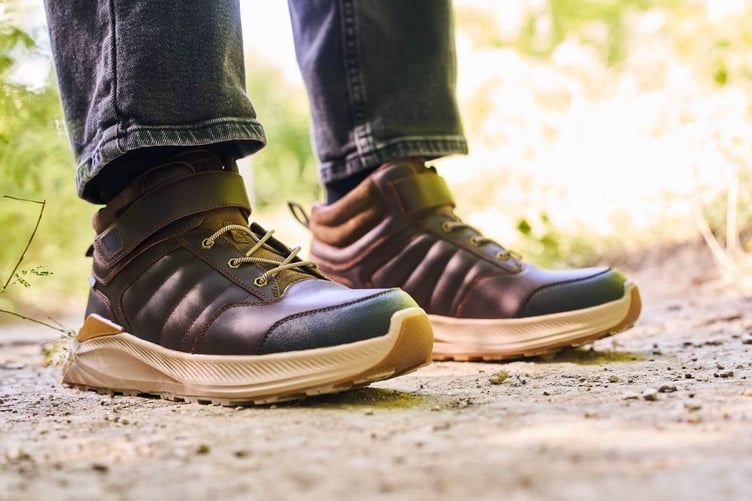
If you’re looking for comfortable shoes for Morton’s neuroma that can handle walking on uneven terrain or active days outdoors, the No. 56 Men’s Trail Boot is a supportive option with a wider toe box, added depth, and a removable insole.
The extra depth gives room for custom orthotics or a metatarsal pad, so you can follow your podiatrist’s recommendations without cramming your forefoot. The removable insole also makes it easier to fine‑tune cushioning and pressure distribution.
The No. 56 features a strong shank for stability and arch support plus a reinforced heel counter, helping keep your foot aligned and reducing unpredictable pressure on the ball of the foot during walking and standing. This makes it a solid choice when you need more protection and support than a standard sneaker, without giving up comfort for your neuroma‑sensitive foot.
When it can be your “best shoes” moment:
- You spend time on your feet outdoors, on trails, or in rugged environments.
- You want a supportive boot with a roomier toe box instead of a narrow, restrictive hiking or work shoe.
3) No. 27 Women's Casual Sneaker w/ Heel Assist (Gen 2) (best if you want laces + structure + style)
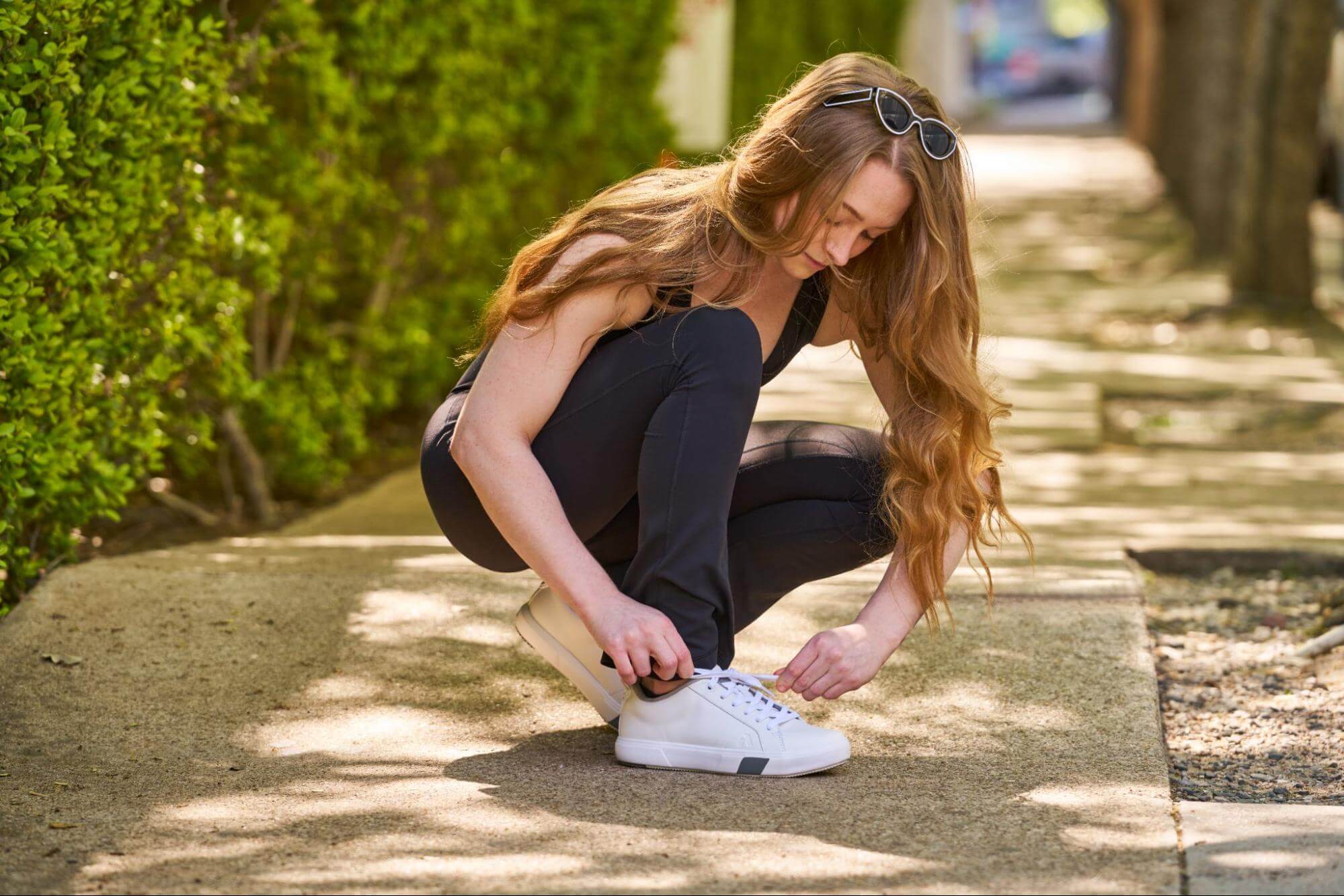
The No. 27 is another option that fits the Morton's neuroma shoes checklist: wide toe box, extra depth, removable insole, strong shank, and heel counter stability. It also features heel assist, which helps guide the foot into proper alignment at the back of the shoe and reduces heel slippage. Because it uses laces, it’s easier to fine-tune fit if one foot needs a slightly different feel (common if your left foot is more irritated than the other).
This is helpful when you’re trying to find shoes for Morton’s neuroma that feel secure without being tight across the forefoot, especially if you’re comparing options marketed as the best shoes for Morton’s neuroma.
When it’s a good “right footwear” pick:
- You want adjustability and stability, and you plan to wear them for extended periods
- You need the heel assist feature to keep your foot properly positioned and reduce forward pressure on the ball of the foot
4) No. 38 Men's Sport Walker w/ Heel Assist (Gen 2) (best for walking + all-day adjustments)
.jpg?width=752&height=501&name=38%20Mens%20Sport%20Walker%20w%20Heel%20Assist%20(Gen%202).jpg)
No. 38 Men's Sport Walker Gen 2
For men who want Morton's neuroma shoes that can handle walking and an active lifestyle, the No. 38 includes wide toe box, extra depth, and a removable insole—core requirements for reducing pressure at the forefoot. The heel assist feature helps guide the foot into proper alignment at the back of the shoe and prevents heel slippage, keeping your foot from shifting forward and loading the ball of the foot where neuroma pain tends to build.
It also has heel counter stability and a strong shank for stability and arch support, plus padded collar and tongue to reduce irritation, which can matter when your foot is sensitive. Because it uses a strap closure, you can quickly loosen or tighten the fit if swelling changes throughout the day (without re-tying laces).
When it's a good choice:
- You need versatile footwear for walking, light activity, or all-day wear
- You want a sporty walker with neuroma-friendly features including wide toe box, extra depth, and heel assist to keep your foot properly positioned throughout the day
How To Choose By Lifestyle
Here’s how to choose shoes based on when your pain happens and what you do most (so you land on the right pair, not just a “popular” pair).
- If you’re on your feet at work (standing/extended periods): Choose wide toe box shoes with a removable insole, stable support, and enough cushioning to stay comfortable on hard surfaces; this helps reduce pressure and can limit inflammation flare-ups, which is key when looking for comfortable shoes for Morton’s neuroma.
- If you walk a lot (daily walking): Prioritize cushioning + support + a wide enough toe box; if the upper is tight, it can worsen symptoms even if the outsole feels soft.
- If you want running shoes: Look for running shoes with a roomy toe box, stable arch support, and enough cushioning under the forefoot; avoid narrow designs that squeeze the ball and toes.
- If you normally wear flat shoes: A supportive sneaker or walker can be a better “flat” alternative than completely flat shoes that provide minimal support and can increase pressure in the forefoot for some people.
- If you’re tempted by high heels: High heels and high heeled shoes can worsen neuroma pain because they shift weight forward; if you wear heels, keep them brief and switch into supportive footwear quickly.
- If you like a zero drop shoe: Pay attention to symptoms—some people feel better, others feel worse; the rule is still the same: avoid tight toe boxes and avoid compression that creates pressure on sensitive areas.
If you also have flat feet or plantar fasciitis, treat support and arch support as “non-negotiable,” because poor support can change how weight loads the ball of the foot and make discomfort harder to control.And if your pain persists, a healthcare professional (often a podiatrist) can help confirm whether it’s truly Morton's neuroma, recommend orthotics or custom orthotics, and show you where a metatarsal pad should sit to offload the metatarsal bones.
Ready to Find Your Best Shoes for Morton’s Neuroma?
Explore our collection of wide‑toe‑box sneakers, double‑depth casual shoes, and supportive boots designed for comfort and forefoot relief.
While you’re here, discover our other collections—from slip resistant shoes and arch support shoes to styles built for plantar fasciitis or hammertoe — so you can find the right pair for every part of your life.
FAQ
What are the best shoes for Morton's neuroma and what should I avoid first?
Avoid shoes that are tight, narrow, or have narrow toe boxes, since they can increase pressure and worsen symptoms; many people also need to limit high heels because they load the forefoot.
Do Morton's neuroma shoes need orthotics?
Not always, but many people get more relief when removable insoles allow orthotics or custom orthotics, especially if a podiatrist recommends a metatarsal pad to reduce pressure near the ball of the foot.
What are the best shoes to wear for Morton's neuroma if my pain is mostly in one foot?
The best shoes for Morton's neuroma are still the ones that reduce pressure and avoid compression; laces or adjustable straps can help you fine-tune fit if your left foot needs slightly less tightness than the other.
When should I see a healthcare professional?
If pain, numbness, tingling, or burning pain keeps coming back (or gets worse), a healthcare professional can confirm the diagnosis and guide treatment so you’re not guessing between neuroma, inflammation, or other forefoot problems.
.png?width=116&name=Anodyne_circle_1_logo%20(2).png)