

|
✓ TL;DR Anodyne No. 89 Women's Trail Hiker takes the top spot for heel pain relief. The medical-grade construction uses pressure-mapping technology to pinpoint problem areas and is specifically designed for heel pain, heel spurs, and Achilles tendonitis. The deep heel cup works with removable insoles that fit custom orthotics. You get wide options, serious arch support, and shoes engineered specifically for therapeutic pain relief with a protective boot design perfect for outdoor and everyday wear. |
Your heels feel like they're on fire by midday. Standing becomes torture. That first step out of bed in the morning sends sharp pain through your heel. This isn't normal foot soreness. These are the best shoes for aching heels territory, and it demands real solutions.
Heel pain hits differently than other foot problems. It's not just uncomfortable. It stops you from doing things you enjoy. It makes simple activities like grocery shopping an ordeal. The good news: the right footwear changes everything.
Multiple conditions trigger heel discomfort. Plantar fasciitis tops the list, affecting about 11% of people with heel pain. This happens when the thick tissue band running along your foot's bottom gets inflamed from overuse or stress. Heel spurs—bone growths on your heel—create stabbing sensations. Even your Achilles tendon can cause problems when it gets tight. The causes vary, but one solution works across the board: best shoes for aching heels designed to address biomechanical issues directly.
Why Your Heels Hurt
Heel pain usually isn’t caused by just one thing. It often comes from a mix of issues like plantar fasciitis, heel spurs, or achilles tendon issues.
Plantar Fasciitis Basics
This condition happens when the plantar fascia—that thick connective tissue running along your foot's sole—gets inflamed. Think of it as a rope supporting your arch getting too tight. Every step pulls on it, creating inflammation and pain.
Morning pain is the telltale sign. Your foot relaxes overnight. The fascia tightens. Taking that first step stretches it suddenly, creating sharp pain. As you walk around, it warms up and pain decreases. By evening it's sore again from daily stress.
The condition develops gradually. Repetitive stress accumulates. Your foot biomechanics get worse. Worn-out shoes stop supporting you. One day you notice the pain and wonder how long it's been developing.
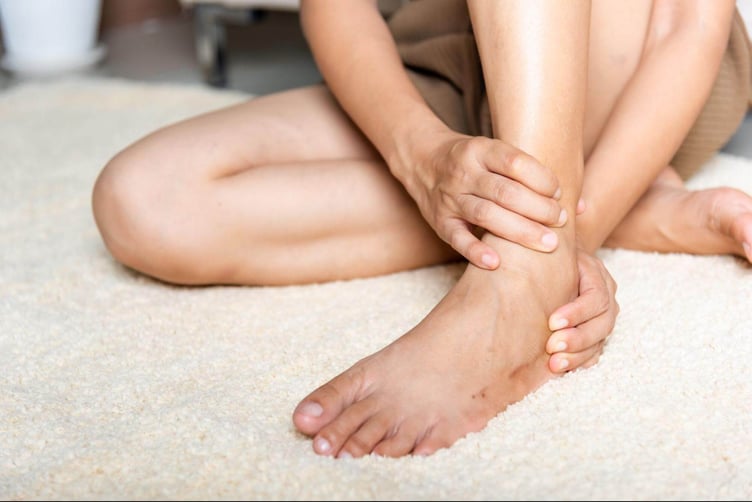
Wearing inappropriate shoes directly worsens plantar fasciitis. Flat shoes let your arch collapse. High heels shorten your calf and overstretch the fascia. Shoes without support force your plantar fascia to do all the stabilizing work. Good footwear prevents this by maintaining proper arch position and distributing stress appropriately.
Heel Spurs And Bone Problems
Heel spurs form when repeated stress pulls on your heel bone. Your body deposits calcium trying to reinforce the attachment point. Over time, bony growth develops. It sounds painful because it is.
Here's the thing: heel spurs don't always hurt. Some people have them without knowing. Others experience excruciating pain. The difference is surrounding tissue irritation and pressure distribution. Shoes that distribute pressure away from the spur area reduce pain significantly.
Heel spurs develop because something else is causing chronic stress. Usually that's plantar fasciitis or Achilles tendonitis. The spur is a symptom of ongoing mechanical problems, not the primary issue. Addressing your biomechanics with proper footwear treats the underlying cause.
Achilles Tendon Issues
Your Achilles tendon connects your calf muscle to your heel bone. When it gets tight or inflamed, your heel pays the price. Every step pulls on it. Your heel bone bears the brunt.
Tight calves, sudden activity increases, or repetitive impact all trigger Achilles problems.
Wearing high heels keeps your calf muscle shortened, maintaining tension. Once inflammation starts, you feel pain especially first thing in the morning or after rest.
Proper shoes help by supporting your heel (reducing tension) and providing adequate cushioning (reducing impact stress). A heel-to-toe drop matters here too. Shoes with moderate elevation reduce calf stretching.
The good news: proper footwear interrupts this cycle. Shoes that redistribute pressure, stabilize your heel, and support your arch reset your biomechanics. Real relief comes from addressing root causes, not just cushioning pain temporarily.
How Wrong Shoes Wreck Your Heels
Wearing inappropriate shoes actively makes heel pain worse. This isn't a coincidence. The wrong footwear forces biomechanical stress directly onto the structures already struggling. Choosing the best shoes for aching heels can prevent further damage.
High heels push your heel forward and upward. This tilts your entire foot forward, increasing forefoot pressure while compressing your heel area. Your calf muscles stay constantly tight. Your Achilles tendon pulls relentlessly. The plantar fascia stretches excessively. Multiple structures get stressed simultaneously.
Flat shoes without arch support invite disaster. Your foot flattens with each step, the plantar fascia stretches maximally, your arch collapses. This altered alignment sends abnormal stress patterns through your heel with every movement. After hours or days of this, inflammation develops or worsens.
Narrow toe boxes affect more than just your toes. When toes get squeezed, your entire foot compensates with altered mechanics. You unconsciously change how you walk. These compensatory patterns overload your heel.
Worn-out shoes lose their ability to cushion and support. Midsole materials compress permanently. That athletic shoe from two years ago doesn't provide the shock absorption it did brand new. Without proper support, impact forces travel directly to your heel bone.
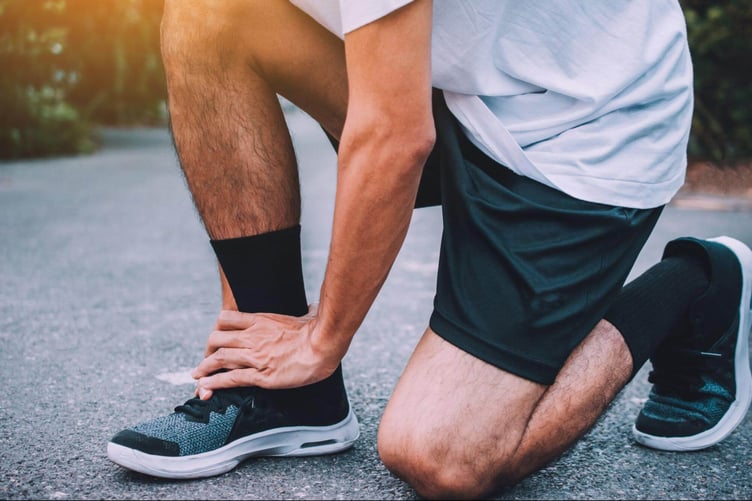
Shoes with no heel counter, that reinforced cup around your heel, let your heel move excessively inside the shoe. This movement creates friction, allows excessive rolling, and forces your heel structures to work overtime. Stability matters tremendously.
What Makes Shoes Help Instead Of Hurt
Specific design features directly combat heel pain by addressing how pressure distributes across your foot.
- The Deep Heel Cup: This is priority number one. A properly designed cup cradles your heel bone like it's supposed to be held. This reduces excessive motion, contains your heel, and absorbs impact forces that would otherwise travel through bone. The deeper the cup, the more support it provides.
- Real Cushioning Matters: The pad needs to absorb shock without compressing flat. Memory foam, gel inserts, or high-quality EVA compounds do this effectively. Cheap cushioning breaks down fast. Quality stays responsive for months of daily wear.
- Arch Support That Works: Supporting your arch prevents excessive pronation and plantar fascia stretch. Moderate arch support handles most cases. Severe conditions benefit from extra support or custom inserts.
- The Right Drop: Heel-to-toe drop, the height difference between heel and forefoot, affects your entire kinetic chain. A 10-12mm drop reduces strain on your plantar fascia. Too much drop and you're back to high heel problems. Too little and you lose the benefit.
- Stable Heel Counter: A firm, structured heel counter keeps your heel stable inside the shoe. This prevents rolling side-to-side. Stability reduces compensatory stress on surrounding tissues.
- Rocker Sole Technology: A gentle rocker under the sole reduces how much your foot needs to bend at the ball. Less bending at the metatarsal heads means less stress travels backward to your heel.
- Wide Toe Box Room: Your toes shouldn't feel squeezed. Space allows them to spread naturally. This prevents compensatory foot mechanics that overload your heel.
- Removable Insoles: The ability to swap out insoles for custom orthotics or specialized heel cups adds customization. Not everyone needs custom inserts, but having the option matters when standard shoes need enhancement.
The best shoes for aching heels combine most or all these features into one cohesive design.
5 Best Anodyne Shoes for Heel Pain Relief
No. 89 Women's Trail Hiker — Best Overall for Heel Pain
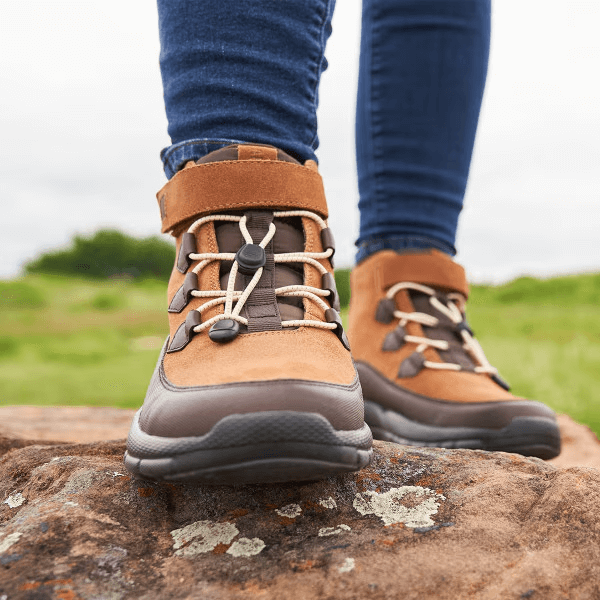
Anodyne's therapeutic trail hiking boot, the No. 89 is specifically engineered for individuals with heel pain, heel spurs, and Achilles tendonitis. Designed as one of the best shoes for aching heels, this protective boot design combines therapeutic features with outdoor versatility, making it perfect for women who refuse to let heel pain limit their lifestyle.
Key Features:
- Extra-deep heel cup provides maximum heel containment and support
- Medical-grade arch support engineered to reduce heel stress
- Firm heel counter for maximum stability
- Protective boot design shields feet from impact injuries
- Superior cushioning with shock absorption
- Removable insoles compatible with custom orthotics
- Available in multiple widths for wide feet
- Lightweight outsole reduces foot fatigue
- Therapeutic design approved by podiatrists and orthopedic specialists
- Durable construction suitable for both outdoor and everyday wear
Best For:
Women with heel pain seeking a protective boot design that delivers medical-grade support for outdoor activities and everyday wear.
Why It's Our Top Pick:
The No. 89 combines all critical shoe features needed for heel pain relief in a rugged, protective design. Unlike standard athletic sneakers, it's specifically engineered for therapeutic support with added protection.
No. 44 Men's Trail Walker — Best for Men's Heel Pain
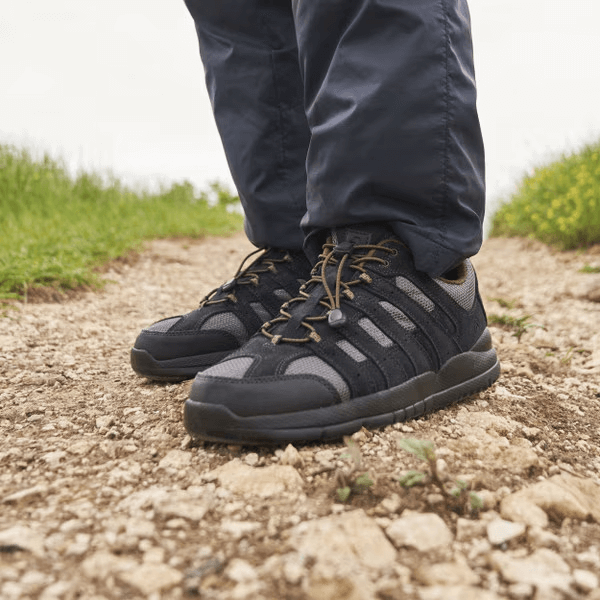
For men experiencing heel pain who want a versatile shoe combining therapeutic support with trail-ready durability, the Anodyne No. 44 Trail Walker delivers lightweight performance with superior heel stability.
Key Features:
- Extra depth provides ample room for swollen feet or custom orthotics
- Deep heel cup with firm heel counter targets heel pain specifically
- Optimal heel-to-toe drop reduces plantar fascia and Achilles strain
- Protective toe box shields feet from impact injuries
- Breathable mesh and leather upper for enhanced ventilation
- Seamless microfiber lining prevents blisters
- Removable, replaceable insole system
- Rocker sole technology reduces forefoot bending stress
- Lightweight construction prevents leg fatigue during extended wear
- Available in multiple widths
Best For:
Men with heel pain seeking a versatile walking shoe that works for both trails and everyday wear without sacrificing therapeutic support. Ideal for those looking for the best shoes for aching heels.
Why Choose This Model:
The No. 44 provides serious heel pain relief in a trail-ready design. Men can address their heel discomfort while maintaining an active, outdoor lifestyle.
No. 85 Women's Sport Double Depth Stretch — Best for Severe Swelling & Heel Pain
No. 85 Women's Sport Double Depth Stretch
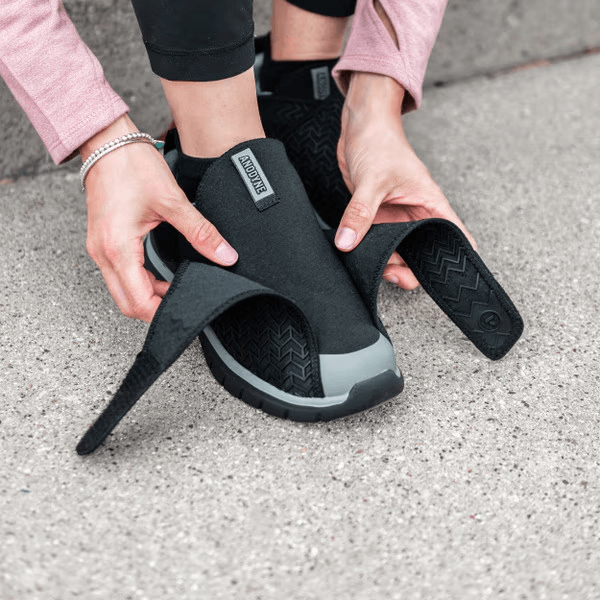
When foot swelling accompanies heel pain, the Anodyne No. 85 Sport Double Depth Stretch delivers therapeutic heel support with accommodating design that adjusts throughout the day.
Key Features:
- Stretchable Lycra upper accommodates swelling throughout the day
- Double depth design provides extra room for custom orthotics
- Deep heel cup with firm heel counter for maximum heel stability
- Protective toe box shields feet from impact injuries
- Bilateral hook and loop closures for easy adjustments
- Anti-microbial treated materials control odor
- Seamless microfiber lining reduces friction and blisters
- Rigid heel counter reduces ankle injury risk
- Strong shank enhances arch support and heel stability
- Medical-grade construction ensures therapeutic support
Best For:
Women with severe heel pain who also experience foot swelling, edema, or need accommodations for custom orthotics throughout the day.
Why Choose This Model:
The stretchable upper and double depth design distinguish this model, making it ideal for those whose feet swell throughout the day or who need to wear custom therapeutic inserts. Heel pain relief meets practical accommodation.
No. 22 & No. 23 Sport Runner — Best for Everyday Heel Pain Support
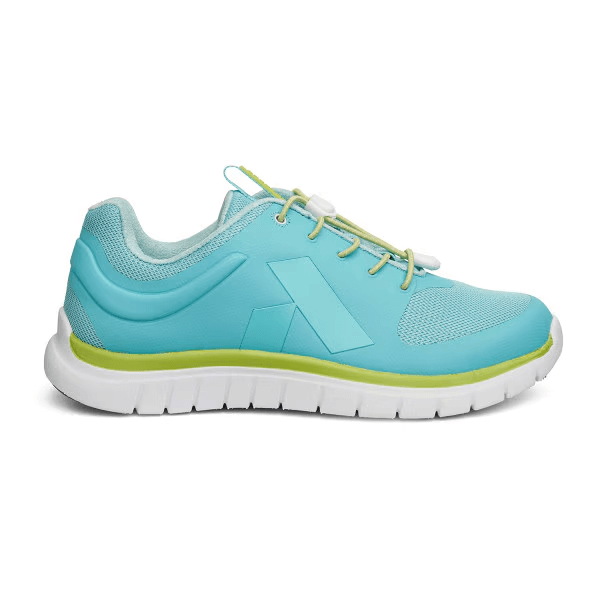
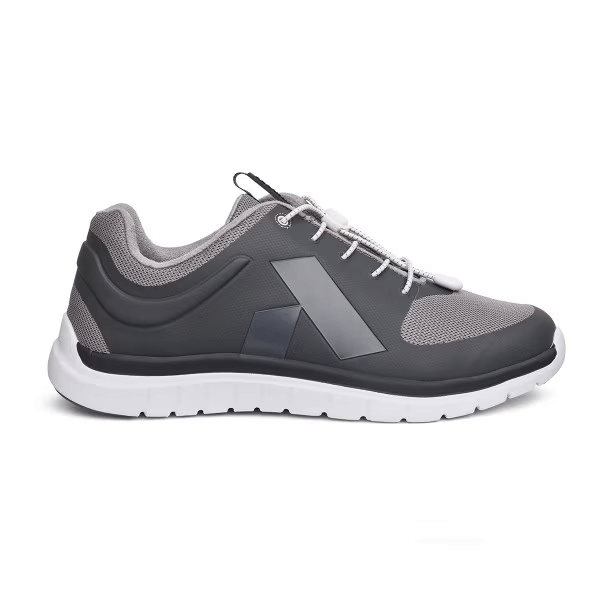
Built for comfort and daily wear, the Anodyne Sport Runner line (No. 22 for men, No. 23 for women) combines athletic styling with support that helps reduce heel stress during walking, errands, and long days on your feet.
Key Features:
- Cushioned underfoot feel to help absorb impact and reduce heel pressure
- Supportive heel structure to improve stability with each step
- Removable footbed to accommodate custom orthotics (when needed)
- Breathable, lightweight upper for all-day comfort
- Roomy, comfortable fit options (including wider widths, depending on selection)
- Grippy outsole for steady traction on everyday surfaces
Best For:
- Men and women with heel pain who want a supportive sneaker for regular, day-to-day wear
- Anyone who needs an athletic option that works with orthotics and prioritizes comfort
Why Choose This Model:
If you want an easy, go-to sneaker that you’ll actually wear often, No. 22 and No. 23 are a strong pick - supportive enough for heel pain, but versatile enough for everyday outfits and routines.
No. 90 Men's Trail Worker — Best Professional/Work Heel Pain Relief
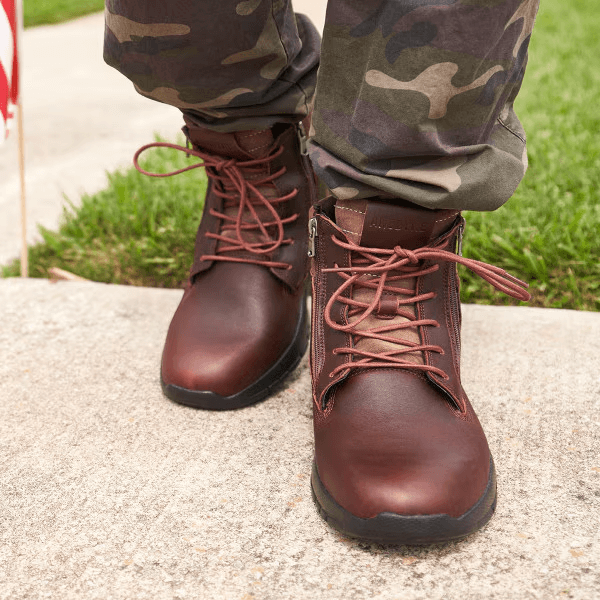
For men in work or outdoor environments who need to address heel pain without sacrificing professional appearance, the Anodyne No. 90 Trail Worker combines durable oiled leather with therapeutic heel support.
Key Features:
- Deep heel cup provides targeted heel pain relief
- Medical-grade arch support redirects pressure away from the heel
- Durable oiled leather upper resists wear and tear
- Professional styling suitable for work and everyday environments
- Protective toe box prevents injury
- Extra depth accommodates custom orthotics or higher arches
- Lightweight outsole reduces fatigue during extended wear
- Removable insoles allow easy customization
- Padded collar and tongue prevent ankle irritation
- Anti-microbial treated materials maintain freshness throughout the day
- Seamless microfiber lining reduces friction and prevents blisters
- Strong shank enhances overall arch and heel support
Best For:
Men in professional or work environments seeking durable, styled footwear that provides medical-grade heel pain support without sacrificing appearance.
Why Choose This Model:
The No. 90 delivers therapeutic heel pain relief in a professional, work-ready design. Men no longer need to choose between managing heel pain and maintaining workplace standards.
Keeping Heels Pain-Free Long-Term
Getting relief is one step. Preventing recurrence is another.
- Rotate Your Shoes: Different shoes create slightly different pressure patterns. Alternating between multiple pairs prevents repetitive stress on identical structures. This alone improves outcomes significantly.
- Stretch Your Calves: Tight calf muscles are the silent killer. Daily stretching prevents the tension that pulls on your Achilles and increases heel stress. Hold each stretch 30 seconds, repeat three times per leg.
- Strengthen Your Feet: Weak intrinsic foot muscles let your arch collapse. Strengthening exercises (towel scrunches, short foot exercises, toe spreads) build the stability your foot needs.
- Manage Your Weight: Every extra pound increases pressure on your heels. Weight loss reduces daily stress directly. Even modest weight reduction helps noticeable.
- Know Your Mileage: Athletic shoes degrade around 300-500 miles. Daily wear shoes last 6-12 months. Once that time passes, cushioning breaks down. Replace shoes before they deteriorate completely.
- Ease Into Activity: Sudden increases in walking, running, or standing trigger flare-ups. Gradual increases let your feet adapt. Jump from 10,000 steps to 15,000 steps daily and expect heel pain.
- Rest When Needed: Pain signals tissue distress. Continued activity on painful heels perpetuates inflammation. Low-impact alternatives like swimming protect your heels while staying active.
- Sleep Positioning: Sleeping with your foot pointed downward keeps your calf and plantar fascia tight. Neutral positioning overnight prevents this overnight tightening.
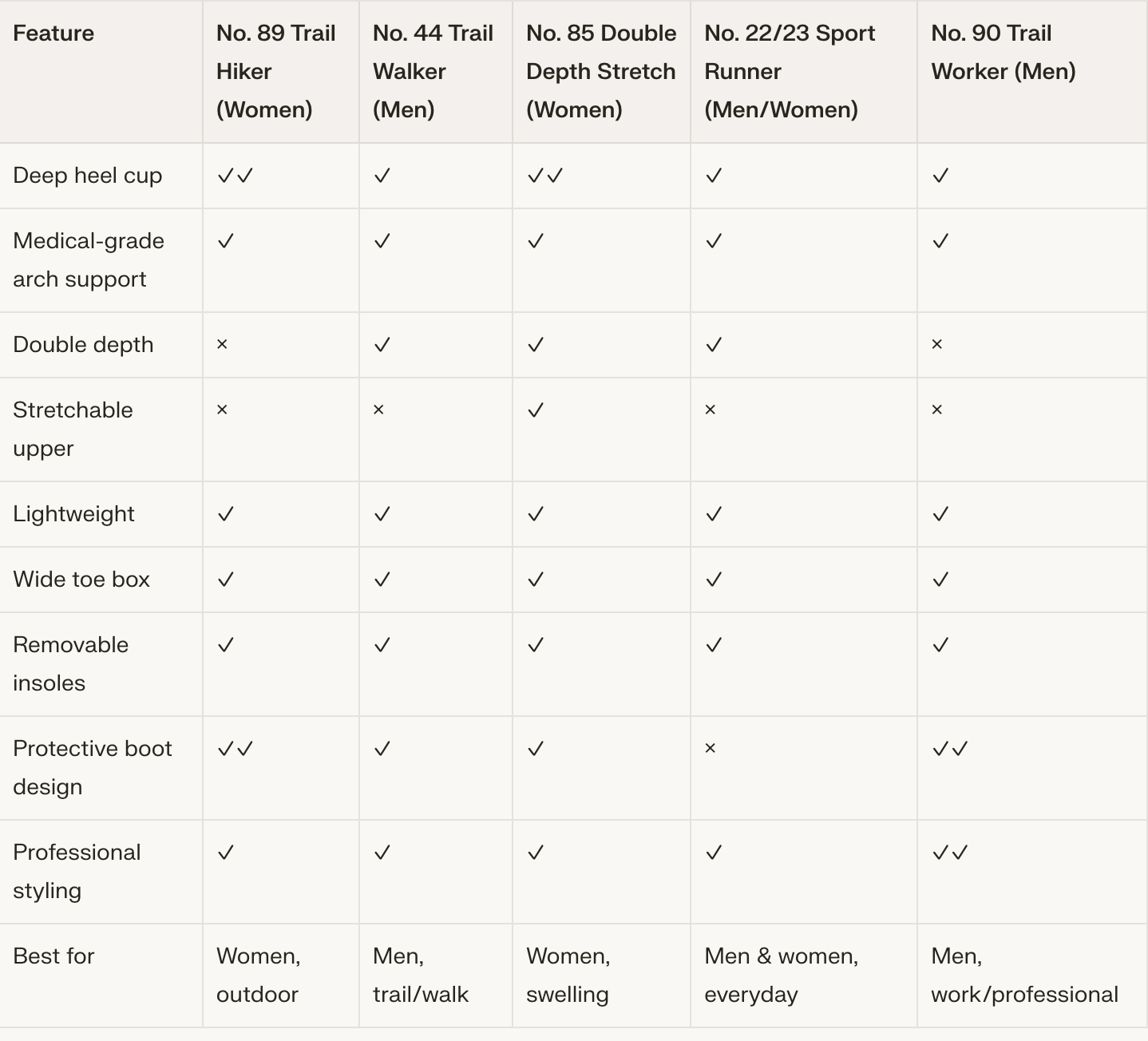
Side-By-Side Shoe Comparison
Next Steps For Heel Pain Relief
You've suffered long enough. Heel pain responds to proper treatment. The right shoes make a real difference.
Start by honestly assessing your heel pain. Is it worse in the morning? During specific activities? All day long? Understanding your pain pattern helps you choose appropriate shoes. Then commit to proper footwear. Real relief takes time. Your foot adapted to pain over weeks or months. It needs time to adapt to support.
Anodyne designs every shoe specifically for conditions like yours. Deep heel cups, removable insoles, and gel cushioning target the biomechanical issues causing your discomfort.
Browse our collection and find therapeutic footwear built on clinical principles, not marketing hype. Every design prioritizes your relief over aesthetics. Shop heel pain solutions now and experience what medical-grade support feels like.
FAQ
How fast do the right shoes help heel pain?
Some people feel improvement within days. Most notice real relief within 1-2 weeks. Serious pain takes longer. Plan for 4-6 weeks of consistent use before expecting complete resolution. Your foot needs time to adjust.
Can regular shoes work instead of specialized footwear?
Standard casual shoes rarely provide adequate relief. They lack the specific features addressing heel pain biomechanics. Specialized best shoes for aching heels have features regular shoes don't: deep heel cups, proper arch support, rocker design, and shock absorption specifically placed for heel protection.
What's the difference between plantar fasciitis and other heel pain causes?
Plantar fasciitis involves inflammation of the tissue along your foot's sole. Other causes include heel spurs, Achilles tendonitis, bursitis, and tarsal tunnel syndrome. Different conditions sometimes need different shoe features, though many good heel pain shoes address multiple conditions.
How often should I replace my heel pain shoes?
Replace your heel pain shoes about every 300 - 500 miles for athletic shoes and roughly every 6\12 months for regular footwear. If you wear the same pair most days (no rotation), cushioning breaks down sooner, and worn-out shoes can stop protecting your heels.
Should I try custom orthotics instead of special shoes?
Custom orthotics work best inside good shoes. Shoes alone without support provide baseline help. Combining quality footwear with custom orthotics provides maximum relief. One without the other is like treating half the problem.
How do I know if a shoe fits right for heel pain?
Your heel should sit in a deep cup with no excessive movement. Arch support should feel present without being painful. Cushioning should feel responsive, not flat. Heel-to-toe drop should be moderate (not flat like flip-flops, not elevated like high heels). Width should allow toe wiggling without compression.
Do flat feet make heel and foot pain worse?
Yes. Flat feet increase strain on your plantar fascia and heel bone, so you need supportive footwear with structured arch support and a roomy toe box to reduce pressure and prevent plantar fasciitis from getting worse.
What should I look for in the best walking shoe for heel pain?
Choose a supportive walking shoe with a contoured footbed, good cushioning, a stable wide heel, and a thumb's width of space at the toes so you get proper alignment without rubbing or stabbing pain.
Can running shoes or other shoes treat plantar fasciitis?
Some running shoes and neutral shoes help if they have excellent arch support, shock absorbing midsoles, and solid stability features, but flimsy or fashion-first shoes are only shoes, not tools to treat plantar fasciitis.
.png?width=116&name=Anodyne_circle_1_logo%20(2).png)